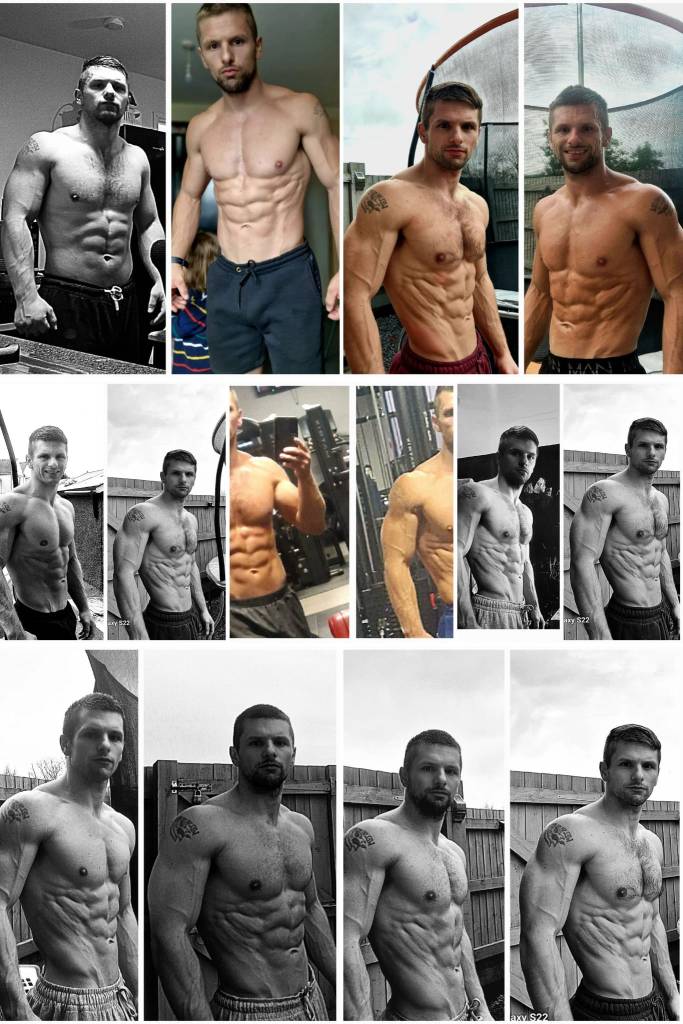
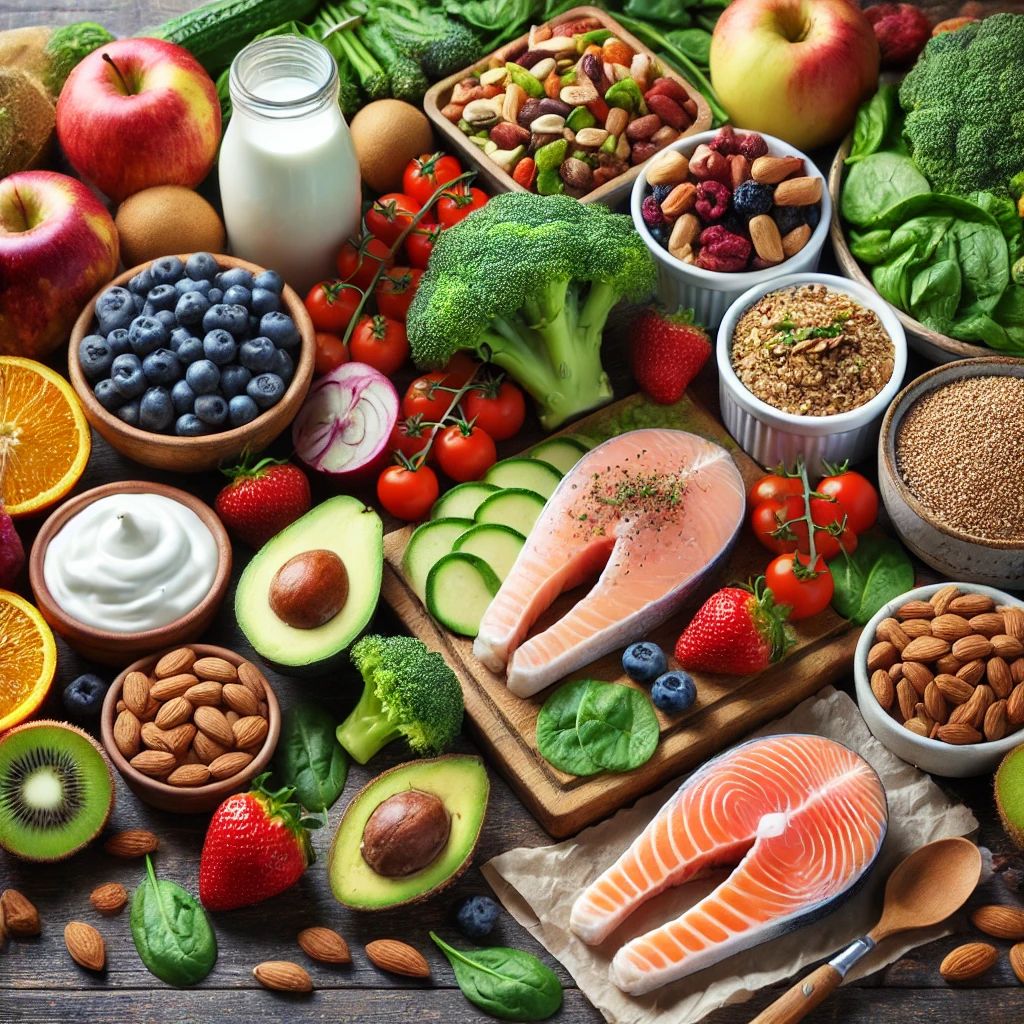
When it comes to fat loss, food choices play a key role. Here are some of the best and worst foods to support your goals:
Best Foods for Fat Loss:
1. Lean Proteins: Chicken, turkey, lean beef, tofu, and fish (like salmon and tuna) are great for building muscle, increasing metabolism, and helping to keep you full longer.
2. Vegetables: Non-starchy vegetables such as spinach, kale, broccoli, cauliflower, and peppers are low in calories but high in fiber and nutrients, making them excellent for fat loss.
3. Whole Grains: Foods like quinoa, oats, brown rice, and barley are rich in fiber, which helps to regulate blood sugar and keep you feeling full longer.
4. Healthy Fats: Avocados, nuts, seeds, and olive oil provide healthy fats that support fat loss by improving satiety and supporting metabolic functions.
5. Fruits: Berries, apples, and grapefruit are low-calorie, nutrient-dense options that are high in fiber and antioxidants, supporting fat loss and overall health.
6. Greek Yogurt: High in protein and probiotics, Greek yogurt can aid digestion, improve metabolism, and keep you feeling full.
Worst Foods for Fat Loss:
1. Sugary Beverages: Sodas, sweetened teas, and energy drinks are high in empty calories and sugar, contributing to weight gain and insulin resistance.
2. Refined Carbs: White bread, pasta, and pastries made from refined flour cause spikes in blood sugar and are less filling, leading to overeating.
3. Processed Snacks: Chips, cookies, and other packaged snacks are often high in unhealthy fats, sugars, and sodium, contributing to weight gain and cravings.
4. Fried Foods: French fries, fried chicken, and other deep-fried foods are calorie-dense and packed with unhealthy fats that can hinder fat loss.
5. Alcohol: While moderate alcohol consumption may not directly cause fat gain, it provides empty calories, impairs judgment, and can lead to overeating.
6. Candy and Sugary Treats: These provide quick energy but are loaded with sugar and empty calories that don’t provide sustained satiety, making them detrimental to fat loss.
Focusing on nutrient-dense, whole foods while minimizing processed, sugary, and calorie-dense options can significantly help with fat loss. Balancing your meals with adequate protein, fiber, and healthy fats while keeping an eye on calorie intake is essential for long-term success.
 Smartsfitness
Leave a comment