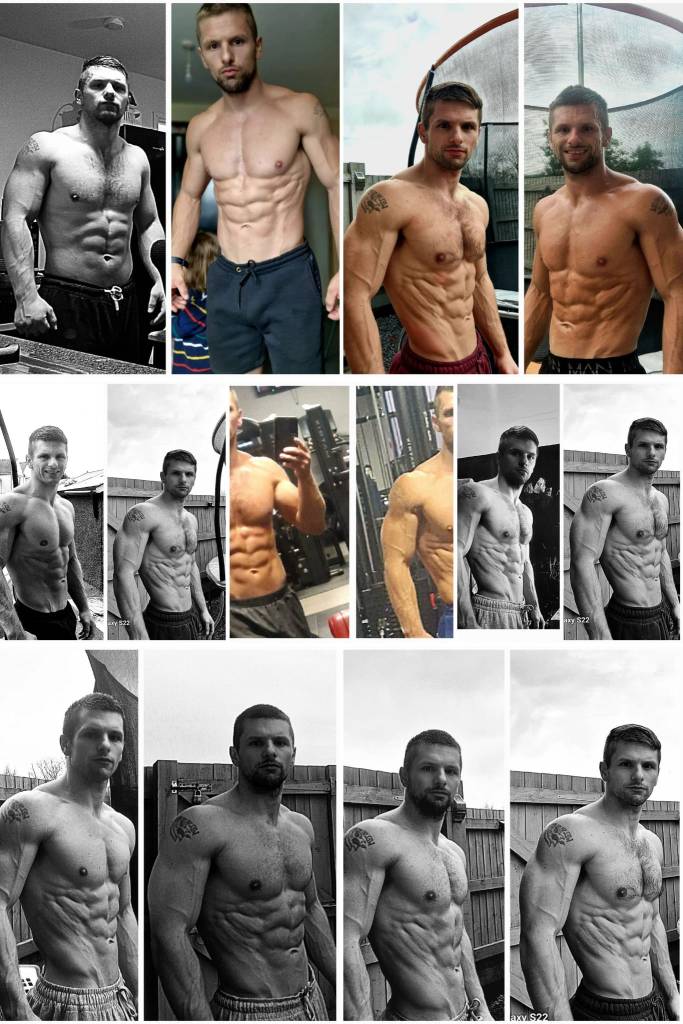
To optimize metabolism for fat loss and improve overall performance, there are several strategies you can incorporate into your lifestyle. These strategies focus on enhancing metabolic function, supporting muscle maintenance, and improving hormonal balance. Here’s a detailed approach:
1. Focus on Building and Maintaining Muscle Mass
Why it works: Muscle tissue requires more energy to maintain than fat, which means the more muscle you have, the higher your resting metabolic rate (BMR) will be. This helps you burn more calories even when you’re at rest.
How to optimize:
Strength training: Incorporate weightlifting, bodyweight exercises (like squats, lunges, push-ups), or resistance band exercises into your routine 3-4 times a week. Aim for compound movements like squats, deadlifts, bench presses, and rows that work multiple muscle groups at once.
Progressive overload: Gradually increase the weight or resistance you’re using to ensure your muscles are consistently challenged.
Rest and recovery: Give your muscles time to repair by taking rest days and ensuring you’re getting enough sleep.
2. Prioritize Protein in Your Diet
Why it works: Protein has the highest thermic effect (TEF), meaning it burns more calories during digestion compared to fats and carbohydrates. Additionally, protein supports muscle repair and growth, which helps maintain muscle mass as you lose fat.
How to optimize:
Increase protein intake: Aim for 1.6–2.2 grams of protein per kilogram of body weight daily. Good sources include lean meats (chicken, turkey), fish, eggs, legumes, and plant-based proteins like tofu and lentils.
Distribute protein intake throughout the day: Consume protein at each meal and snack to maximize muscle protein synthesis and keep hunger at bay.
Consider a post-workout protein shake: A post-workout shake with protein can help your body recover and reduce muscle breakdown after intense exercise.
3. Engage in High-Intensity Interval Training (HIIT)
Why it works: HIIT workouts are proven to increase calorie burn and boost metabolism both during and after the workout, thanks to the afterburn effect (EPOC—Excess Post-Exercise Oxygen Consumption). This means your body continues to burn more calories for hours after the workout.
How to optimize:
HIIT workouts: Incorporate HIIT 2-3 times a week, alternating between short bursts of intense exercise (like sprints, cycling, or jumping jacks) followed by short rest periods. A typical HIIT session might last between 20-30 minutes, making it time-efficient.
Variety: Change up your HIIT routines regularly to prevent plateaus. This could include mixing up exercises or increasing the intensity over time.
4. Ensure Adequate Sleep
Why it works: Sleep plays a critical role in regulating hormones that influence metabolism. Poor sleep can lead to hormonal imbalances, including increased hunger hormones (ghrelin) and decreased fullness hormones (leptin), making it harder to stick to a healthy eating plan. It also negatively affects insulin sensitivity, leading to impaired fat metabolism.
How to optimize:
Sleep duration: Aim for 7-9 hours of sleep per night. Prioritize consistent sleep patterns, going to bed and waking up at the same time every day.
Sleep quality: Make your sleep environment conducive to rest by keeping the room dark, quiet, and cool. Limit screen time before bed, as blue light from phones and computers can disrupt melatonin production.
Relaxation techniques: Practice calming activities before bed, such as reading, meditation, or deep breathing exercises.
5. Manage Stress and Cortisol Levels
Why it works: Chronic stress leads to elevated cortisol levels, which can promote fat storage, especially in the abdominal area. Elevated cortisol also interferes with hunger regulation, often leading to emotional eating or cravings for high-sugar, high-fat foods.
How to optimize:
Stress management: Incorporate stress-reducing activities into your routine, such as yoga, meditation, or mindfulness practices. Even taking short breaks during the day to relax can lower cortisol levels.
Exercise: Moderate-intensity exercise can help reduce stress and improve your body’s ability to handle physical and mental strain.
Breathing exercises: Deep, slow breathing exercises can activate the parasympathetic nervous system, helping you relax and reduce stress hormones.
6. Stay Hydrated
Why it works: Hydration is crucial for metabolic function. Dehydration can reduce your metabolism, impair exercise performance, and increase hunger and cravings.
How to optimize:
Water intake: Aim for at least 8 cups (64 ounces) of water a day, but more if you’re active. You may need even more in hot climates or if you exercise frequently.
Green tea: Research shows that green tea contains catechins, antioxidants that may help boost fat burning and metabolism. Drinking 2-3 cups a day may provide additional metabolic benefits.
Hydrate before meals: Drinking a glass of water before meals can help you feel full, reducing the likelihood of overeating.
7. Eat More Whole Foods and Avoid Processed Foods
Why it works: Whole foods, such as fruits, vegetables, whole grains, and lean proteins, provide essential nutrients without the added sugar, unhealthy fats, and chemicals that are found in processed foods. Processed foods can spike blood sugar, lead to insulin resistance, and contribute to fat storage.
How to optimize:
Focus on nutrient-dense foods: Incorporate a variety of colorful fruits and vegetables, whole grains like quinoa or brown rice, lean proteins, and healthy fats (like avocado, nuts, and olive oil).
Minimize processed foods: Cut back on packaged snacks, sugary beverages, and foods with high levels of artificial additives. These can lead to weight gain and hinder your metabolism.
8. Avoid Extreme Dieting and Focus on Consistency
Why it works: Extreme calorie restriction can lower your metabolism over time, a process called metabolic adaptation. While you may see initial weight loss, your body will eventually slow down its energy expenditure to compensate for the reduced food intake, making it harder to continue losing weight.
How to optimize:
Gradual changes: Instead of drastic calorie cuts, aim for a moderate caloric deficit that allows for consistent, sustainable fat loss over time.
Consistency: Focus on long-term consistency with nutrition and exercise rather than relying on quick-fix diets. The more you stick with healthy habits, the more your metabolism will adapt to support your goals.
Conclusion: Optimizing Metabolism for Fat Loss and Performance
Improving your metabolism is a long-term process that involves a combination of lifestyle factors such as exercise, nutrition, stress management, sleep, and hydration. By focusing on building muscle, incorporating HIIT, eating a balanced diet with plenty of protein, and managing stress and sleep, you can optimize your metabolism to burn fat more efficiently and improve your overall performance.
Remember, there is no “quick fix” when it comes to metabolism—patience, consistency, and the right strategies will get you the best results over time. Focus on sustainable, healthy habits, and you’ll see improvements in fat loss and performance in 2025 and beyond.
 Smartsfitness
Leave a comment