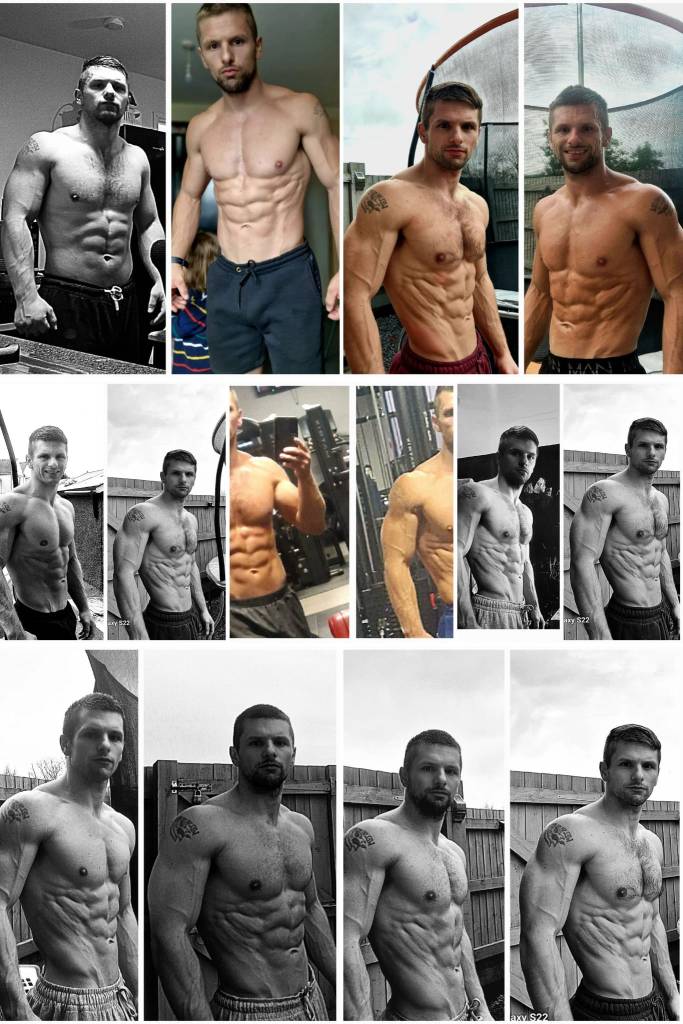
Catabolic physiology refers to the metabolic processes in which the body breaks down complex molecules into simpler ones to release energy. This is a crucial part of metabolism, providing the energy necessary for cellular functions.
Key Features of Catabolism:
- Energy Release: The breakdown of carbohydrates, fats, and proteins generates energy in the form of ATP (adenosine triphosphate).
- Primary Processes:
Glycolysis: Breakdown of glucose into pyruvate.
Lipolysis: Breakdown of fats into glycerol and free fatty acids.
Protein Catabolism: Breakdown of proteins into amino acids, often during starvation or intense exercise.
Role in the Body:
Provides energy for vital functions such as muscle contraction, digestion, and maintaining body temperature.
Prepares the body for physical stress or fasting by mobilizing stored energy reserves.
When Catabolism Becomes Problematic:
Excessive catabolic activity can lead to muscle wasting, fatigue, and weakened immunity, often observed in conditions like chronic illness, malnutrition, or overtraining.
Balance with Anabolism:
Catabolism works in tandem with anabolism (building up of molecules) to maintain a healthy metabolism and overall homeostasis.
To combat excessive catabolism and maintain a healthy metabolic balance, follow these strategies:
- Adequate Nutrition:
Protein Intake: Consume sufficient protein to support muscle repair and growth. Include sources like lean meats, eggs, legumes, and dairy.
Balanced Diet: Include carbohydrates for energy and healthy fats to prevent the body from breaking down muscle for fuel.
Frequent Meals: Eating small, balanced meals every 3–4 hours can help maintain energy levels and prevent muscle breakdown.
- Exercise Moderation:
Strength Training: Incorporate resistance training to stimulate anabolic processes and prevent muscle loss.
Avoid Overtraining: Excessive exercise without proper recovery can increase catabolism. Follow a structured workout plan with adequate rest.
- Recovery and Rest:
Adequate Sleep: Sleep is crucial for muscle repair and overall recovery. Aim for 7–9 hours per night.
Post-Workout Nutrition: Consume a combination of protein and carbs within 30–60 minutes after exercise to replenish energy and support recovery.
- Hydration:
Stay hydrated to optimize metabolic processes and reduce stress on the body during physical activity.
- Stress Management:
Chronic stress increases cortisol levels, promoting catabolism. Practice relaxation techniques such as meditation, yoga, or deep breathing.
- Supplementation:
Branched-Chain Amino Acids (BCAAs): Helps reduce muscle breakdown during intense exercise.
Creatine: Supports muscle energy and reduces protein breakdown.
Antioxidants: Combat oxidative stress, which can contribute to catabolism.
Balancing catabolic and anabolic processes is key to maintaining muscle mass, energy levels, and overall health.
 Smartsfitness
Leave a comment