
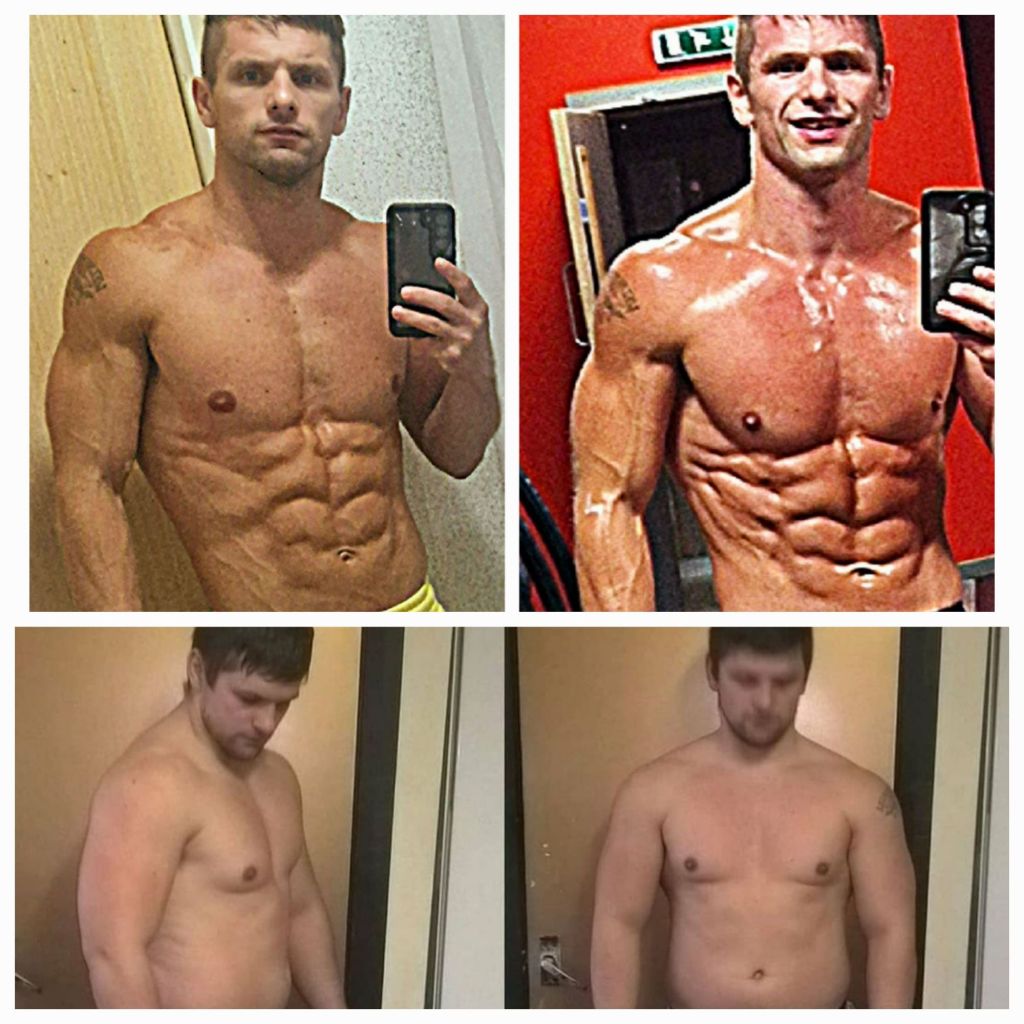
Structure plays a crucial role in achieving fat loss goals because it provides a clear, organized framework for consistency and progress. Here’s how structure can help:
1. Clear Goals and Planning
Define what you want to achieve (e.g., lose 10 pounds in 8 weeks).
Break it into smaller, actionable steps (e.g., weekly meal prep, daily workouts).
2. Accountability
A structured plan helps you track progress and stay accountable.
It highlights what works and what needs adjustment.
3. Consistency
By having set routines (e.g., fixed workout times or meal schedules), you’re less likely to deviate.
Habits form faster when they’re part of a structured daily routine.
4. Efficiency
With a plan, you save time and energy, avoiding guesswork about what to eat or how to train.
Structured training programs maximize results in minimal time.
5. Adaptability
Structure allows room for flexibility. If life throws you a curveball, you can adjust without losing focus.
6. Motivation and Progress Tracking
Seeing measurable results through a structured plan can motivate you to keep going.
Tools like fitness trackers, food logs, and progress photos align with structured efforts.
Here’s an expanded guide with additional details to support a well-structured fat loss plan:
—
1. Goal Setting and Mindset
Break it Down: Set long-term (6 months), medium-term (3 months), and short-term (weekly) goals to stay motivated.
Focus on Non-Scale Victories: Celebrate improvements like better energy, clothes fitting differently, or increased strength.
Mindset Check: View this as a lifestyle shift, not a temporary fix.
—
2. Nutrition Strategy
Macronutrient Balance: Aim for:
Protein: 1.6–2.2g per kg of body weight daily (e.g., chicken, fish, tofu).
Fats: 20–30% of total calories (e.g., avocados, nuts, olive oil).
Carbs: Adjust based on energy needs (e.g., oats, rice, sweet potatoes).
Hydration: Drink at least 2-3 liters of water daily; it helps regulate hunger and energy.
Reduce Processed Foods: Minimize sugar, refined carbs, and fried foods to improve satiety and fat loss.
Planned Indulgences: Allow one meal a week to enjoy your favorite foods in moderation to reduce cravings.
—
3. Training Details
Strength Training:
Split Options:
Full body (3x per week)
Upper/lower body split (4x per week)
Push/pull/legs (5x per week)
Progressive Overload: Gradually increase weights, reps, or sets to challenge your muscles.
Cardio Recommendations:
Low-Intensity Steady State (LISS): Long walks or cycling (30-45 mins).
High-Intensity Interval Training (HIIT): 20-minute sessions of alternating sprints and rest (e.g., 30s sprint, 1min rest).
Core Work: Add planks, leg raises, and ab rollouts 2x per week for a strong midsection.
—
4. Recovery and Stress Management
Sleep Hacks:
Go to bed and wake up at consistent times.
Limit screen time 1 hour before bed to improve sleep quality.
Active Recovery Days:
Activities like yoga, swimming, or foam rolling keep your body moving without overexertion.
Rest Days: Allow 1-2 full rest days per week to prevent burnout.
—
5. Weekly Structure Example
Monday: Strength Training (Upper Body)
Tuesday: Cardio (HIIT) + Stretching
Wednesday: Strength Training (Lower Body)
Thursday: Rest or Active Recovery (Yoga/Walk)
Friday: Strength Training (Full Body)
Saturday: LISS Cardio (Hike or Walk)
Sunday: Rest or Meal Prep
—
6. Progress Tracking
Measurements: Track weight, body fat %, and circumference measurements every 2 weeks.
Photos: Take front, side, and back progress photos under the same conditions (lighting, pose, clothing).
Adjustments: If progress stalls, adjust calorie intake, increase activity, or tweak training intensity.
—
7. Accountability
Find Support: Work with a coach, join a group, or partner with a friend.
Use Tools: Apps like MyFitnessPal (tracking), Fitbit (steps), or a training journal help stay consistent.
—
 Smartsfitness
Leave a comment