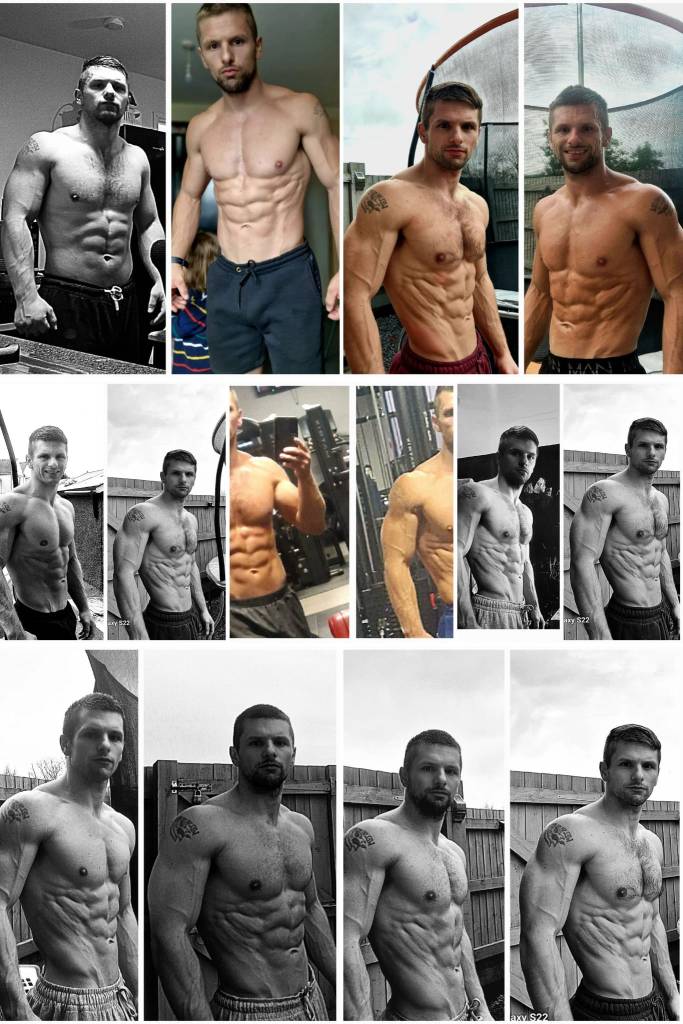
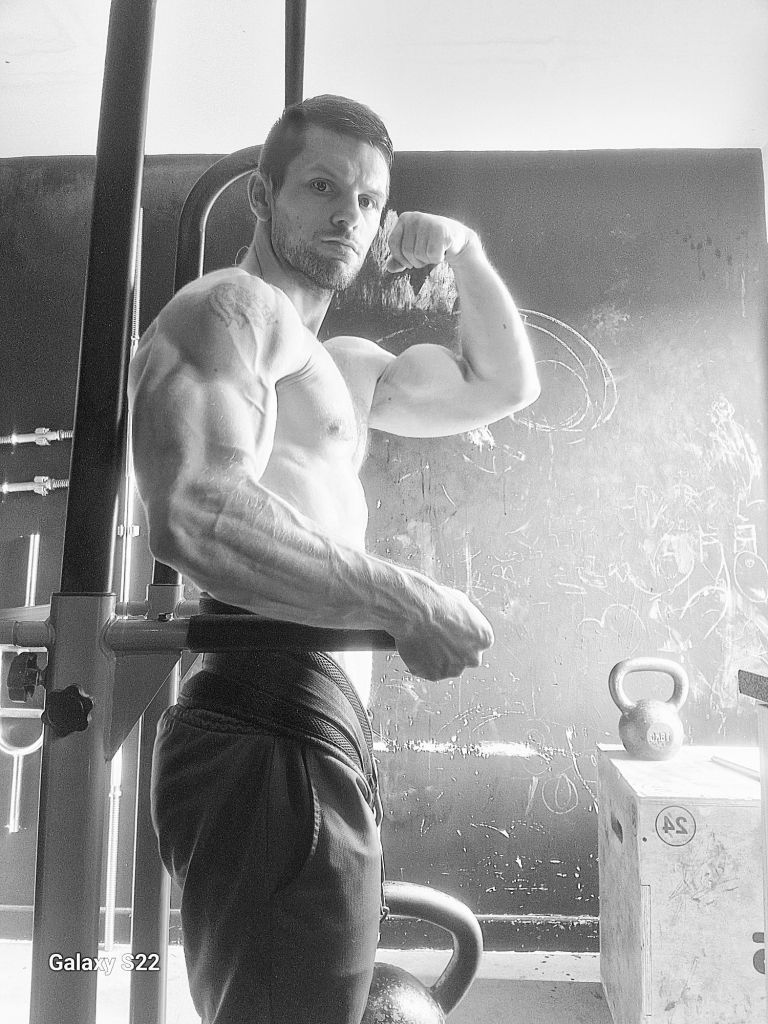
The brachialis is a muscle located underneath the biceps brachii. While the biceps are the muscles most people focus on for arm size, the brachialis plays a crucial role in creating a fuller, more defined arm. Here’s how:
1. Supporting Biceps Growth: The brachialis lies beneath the biceps and works alongside them during arm flexion. As the brachialis gets stronger and larger, it pushes the biceps brachii outward, giving the appearance of bigger, more prominent biceps.
2. Creating Arm Thickness: Because the brachialis is located deeper in the arm, it contributes to the overall thickness of the upper arm, even when the biceps are not fully contracted. This means that developing the brachialis enhances the overall size of your arms, not just the peak.
3. Improved Arm Aesthetics: A well-developed brachialis enhances the overall shape of the arm, making it appear more sculpted and proportionate. This gives the arm a more balanced and powerful look.
To target the brachialis, exercises that involve elbow flexion with a neutral grip, such as hammer curls, reverse curls, and certain variations of cable curls, are most effective.
Here are some tips for effectively targeting and developing the brachialis to help grow your arms:
1. Focus on Hammer Curls: Hammer curls are one of the best exercises for engaging the brachialis. By using a neutral grip (palms facing each other), you’ll recruit the brachialis more effectively than with standard curls.
2. Incorporate Reverse Curls: Reverse curls (with your palms facing down) place more emphasis on the brachialis while also working the forearms. This is a great way to build overall arm thickness.
3. Vary Your Grip: Use different grips and angles to target the brachialis from various directions. For example, performing curls with a rope attachment or using a pronated (overhand) grip will engage the brachialis more than standard supinated curls.
4. Use Controlled Movements: Focus on slow, controlled movements during your curls. This ensures full range of motion and maximizes muscle activation in both the biceps and the brachialis.
5. Mind the Elbow Position: Keep your elbows close to your body and avoid letting them drift forward or backward. This will help isolate the muscles of the upper arm, including the brachialis.
6. High Reps with Moderate Weight: The brachialis often responds well to higher reps (8-15) with moderate weights. This creates more time under tension, helping to stimulate muscle growth.
7. Don’t Forget to Train Your Forearms: Since the brachialis is connected to the forearm muscles, strengthening your forearms with exercises like wrist curls and farmer’s walks can indirectly contribute to brachialis development.
By incorporating these tips, you can better target the brachialis, leading to bigger and more defined arms.
To support muscle growth, including the development of the biceps and brachialis, you’ll want to focus on a well-rounded diet that provides adequate protein, healthy fats, and complex carbohydrates. Here are some key foods to include:
1. Protein-Rich Foods (for muscle repair and growth)
Chicken breast: Lean source of protein with minimal fat.
Turkey: Another lean protein option with high bioavailability.
Fish (salmon, tuna, cod): Rich in protein and healthy omega-3 fatty acids, which help reduce inflammation and support muscle recovery.
Eggs: Contain all the essential amino acids necessary for muscle growth.
Greek yogurt: High in protein and contains probiotics for digestive health.
Cottage cheese: Packed with casein protein, which digests slowly, making it a great nighttime snack for muscle repair.
Plant-based proteins: If you’re vegan or vegetarian, include lentils, chickpeas, tofu, tempeh, and edamame.
2. Complex Carbohydrates (for sustained energy)
Brown rice: Full of fiber and provides long-lasting energy for workouts.
Sweet potatoes: Rich in vitamins and antioxidants, helping to fuel your muscles for better performance.
Oats: A great source of slow-digesting carbs, perfect for breakfast or post-workout recovery.
Whole grain bread and pasta: These complex carbs support energy levels throughout the day.
3. Healthy Fats (to support hormone production and muscle function)
Avocados: Packed with monounsaturated fats that support overall health.
Nuts and seeds (almonds, walnuts, chia seeds, flaxseeds): High in healthy fats and protein to support muscle repair.
Olive oil: Contains anti-inflammatory properties and healthy fats.
Fatty fish (salmon, sardines, mackerel): Excellent sources of omega-3 fatty acids that help with recovery and reducing muscle soreness.
4. Vegetables and Fruits (for vitamins, minerals, and antioxidants)
Spinach: Packed with iron, which supports oxygen delivery to muscles.
Broccoli: Rich in fiber, antioxidants, and essential vitamins.
Berries (blueberries, strawberries): High in antioxidants to fight muscle inflammation and oxidative stress from workouts.
Bananas: Provide quick-digesting carbohydrates and potassium, which help prevent muscle cramps.
5. Hydration (critical for muscle function)
Water: Essential for muscle function and recovery. Staying hydrated helps with performance and nutrient delivery to muscles.
Coconut water: A good source of electrolytes like potassium, ideal for rehydrating after intense workouts.
6. Supplements (optional):
Whey protein: Convenient for meeting your daily protein needs, especially post-workout.
Creatine: Helps improve strength and muscle growth by increasing energy availability for workouts.
BCAAs (Branched-Chain Amino Acids): Aid in muscle recovery and reduce muscle breakdown during training.
Eating a balanced diet with these nutrient-dense foods will help provide your muscles with the building blocks they need to grow and recover. Also, make sure to get enough calories to support muscle growth, especially if you’re training hard for bigger arms.
 Smartsfitness
Leave a comment