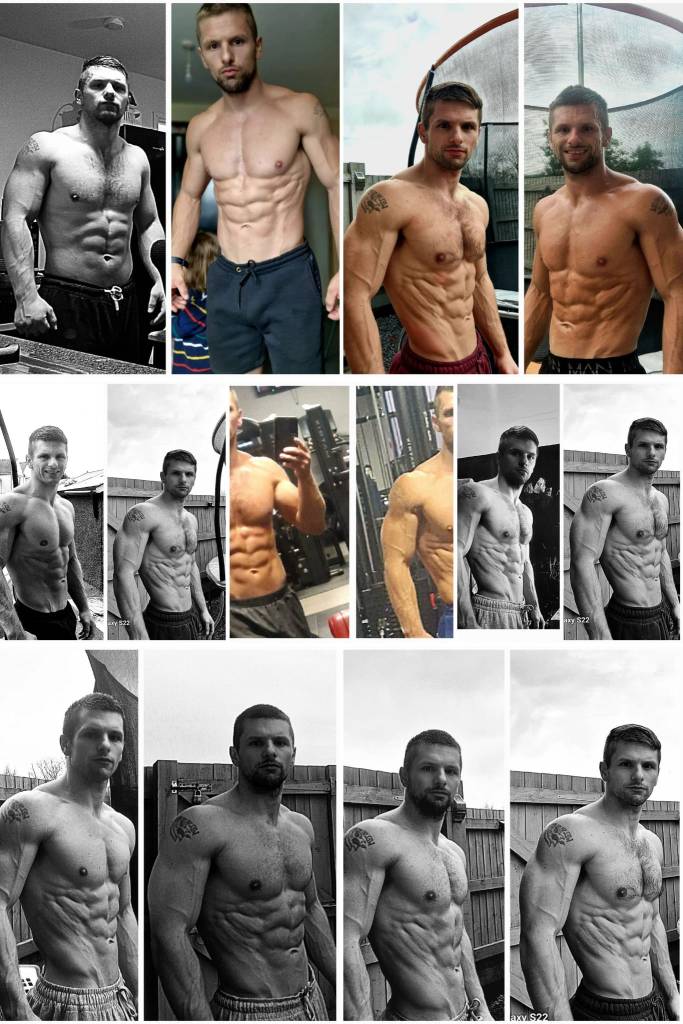

Recovery Days: The Key to Sustainable Progress
In the world of fitness and wellness, recovery days are just as important as workout days. Many people focus solely on pushing their limits in the gym or on their training routines, but neglecting recovery can lead to burnout, injury, and plateauing progress. Understanding the significance of recovery days is essential for long-term success and sustainable progress in any fitness journey.
What are Recovery Days?
Recovery days are periods where you allow your body to rest and rejuvenate. These days are designed to give your muscles time to repair, replenish energy stores, and restore overall balance. Recovery is not about complete inactivity; it’s about giving your body the space it needs to heal and grow stronger.
Why are Recovery Days Important?
1. Muscle Repair and Growth: During intense workouts, your muscles undergo microscopic tears. Recovery days give your muscles the time they need to repair and grow back stronger. Without proper rest, these tears don’t fully heal, leading to overtraining and potential injury.
2. Prevention of Burnout: Consistent intense exercise without proper rest can lead to burnout. Recovery days help keep your mental and physical energy high, ensuring you stay motivated and avoid the risk of mental fatigue.
3. Boosts Performance: Taking time to rest allows your body to recover its energy stores, particularly glycogen, which is used for energy during exercise. When you rest, you’re setting yourself up to perform at your best when you return to your next workout.
4. Injury Prevention: Overtraining can result in strains, sprains, and more serious injuries. Giving your body a break is essential for preventing long-term damage.
How to Make the Most of Recovery Days
1. Active Recovery: While a full rest day might be beneficial for some, active recovery can be even more effective. Gentle activities like walking, yoga, swimming, or cycling at a low intensity keep the blood flowing and help reduce muscle soreness without placing too much strain on your body.
2. Focus on Nutrition: Nutrition plays a pivotal role in recovery. After a workout, your muscles need nutrients like protein and carbohydrates to repair and rebuild. Recovery days are a great time to fuel your body with whole foods that support healing, like lean proteins, healthy fats, and nutrient-rich vegetables.
3. Hydrate: Hydration is just as important on recovery days as it is on training days. Drinking enough water helps to flush out toxins, support digestion, and promote muscle recovery.
4. Sleep: Sleep is one of the most powerful tools for recovery. When you sleep, your body repairs and regenerates tissues, balances hormones, and restores energy. Aim for 7-9 hours of quality sleep to maximize the benefits of your recovery days.
5. Stretching and Mobility: Gentle stretching and mobility exercises can help alleviate tightness and improve flexibility. Incorporating these practices on recovery days can enhance your range of motion and help prevent injuries in the future.
Mental Recovery: The Importance of Rest for the Mind
Physical recovery is essential, but mental recovery is equally important. Taking a break from intense workouts gives your mind time to recharge, helping you avoid mental fatigue and burnout. This is also a great opportunity to reflect on your progress, set new goals, and reframe your mindset for the upcoming weeks.
How Often Should You Take Recovery Days?
The number of recovery days you need depends on factors like your workout intensity, fitness level, and individual recovery needs. A general guideline is to take at least one to two recovery days per week. If you’re doing intense training, like weightlifting or HIIT, you might need more recovery time to allow your body to fully heal. Listen to your body: if you’re feeling sore, fatigued, or mentally drained, it’s a sign you need more rest.
Final Thoughts
Incorporating recovery days into your routine is a vital part of any fitness journey. It allows your body and mind to heal, rebuild, and prepare for the next challenge. By respecting the need for rest and recovery, you’re giving yourself the best chance for long-term success, improved performance, and a balanced approach to fitness. So, remember: rest isn’t a sign of weakness—it’s a key part of progress.
 Smartsfitness
Leave a comment