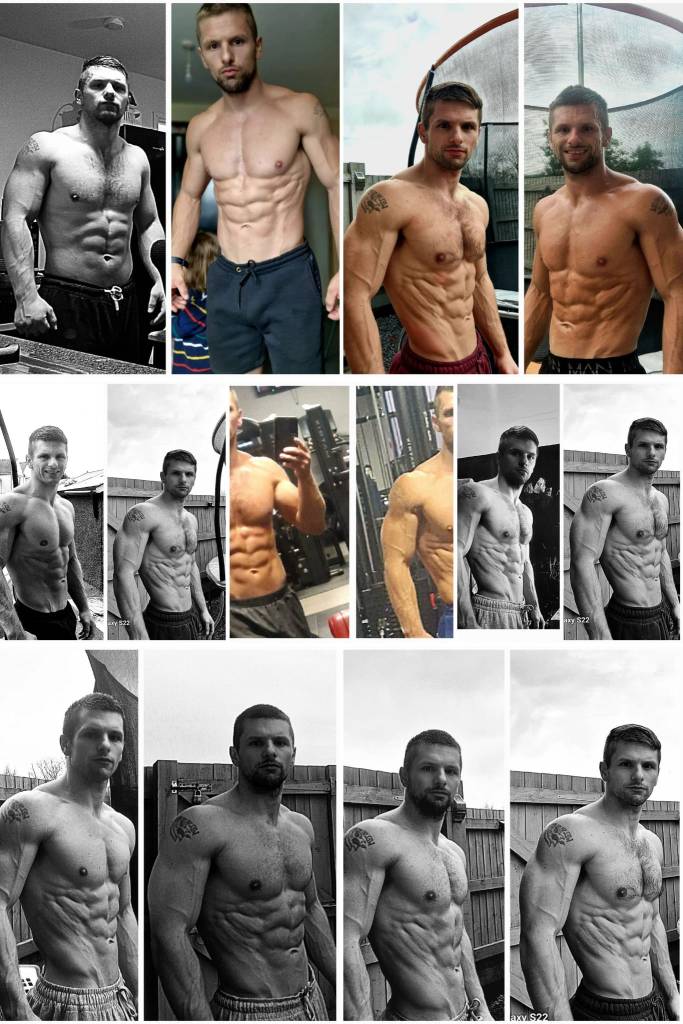
High vs. Low Gflux Training for Fat Loss:
Gflux (Gross Flux) refers to the balance between the calories burned through physical activity (exercise) and the calories consumed through food. The concept of high vs. low Gflux training refers to how much total energy you expend through activity compared to how much you eat, and it can impact fat loss in different ways. Here’s a breakdown of each approach and its effectiveness for fat loss:
—
High Gflux Training for Fat Loss
What It Involves:
High Gflux training focuses on maximizing both caloric intake (through a well-balanced diet) and caloric expenditure (through intense physical activity).
The goal is to increase the number of calories burned through exercise and increase calorie intake to support higher energy output.
Benefits for Fat Loss:
1. Increased Calorie Burn:
With higher levels of physical activity (strength training, cardio, HIIT), you’re able to burn more calories. This can lead to a larger calorie deficit when managed correctly.
2. Sustained Energy Levels:
Since you’re eating more to fuel the activity, you may avoid feelings of fatigue or hunger, making it easier to maintain the exercise regimen.
3. Preservation of Lean Muscle Mass:
A higher caloric intake combined with intense activity can help preserve muscle while losing fat, which is crucial for maintaining metabolic rate.
4. Improved Metabolic Adaptation:
The combination of higher activity and appropriate nutrition can prevent the metabolic slowdown that often accompanies significant calorie restriction.
Considerations:
Requires a well-balanced diet that supports the higher energy expenditure. This means you need to eat nutrient-dense foods while still maintaining a slight calorie deficit for fat loss.
High Gflux training might not be sustainable for everyone, especially those with busy schedules or limited access to time for intense workouts.
—
Low Gflux Training for Fat Loss
What It Involves:
Low Gflux training emphasizes a lower level of activity and a caloric intake that is more in line with the body’s natural energy needs, often focusing on more moderate-intensity or less frequent exercise.
The goal is to burn fewer calories but still maintain a slight caloric deficit through dietary adjustments alone.
Benefits for Fat Loss:
1. Lower Risk of Overtraining:
Low Gflux training generally involves less intense exercise, making it a more sustainable approach for those who prefer less strenuous activity.
2. Simplified Approach:
It can be easier to follow for people with limited time or those who prefer a more manageable level of exercise.
3. Effective for Small, Steady Deficits:
A carefully controlled calorie intake combined with moderate activity can lead to gradual fat loss, which might be more sustainable for people who need to lose weight over a longer period.
Considerations:
May require more drastic calorie reductions to achieve fat loss, which can lead to muscle loss over time if protein intake is not prioritized or if the caloric deficit is too steep.
May result in slower fat loss due to lower levels of physical activity.
—
Which Is Better for Fat Loss?
High Gflux Training tends to be more effective for fat loss, especially for individuals who can manage the high levels of activity and proper nutrition. Here’s why:
It allows for higher caloric intake without compromising fat loss, making it easier to adhere to long-term.
The higher exercise volume also helps preserve lean muscle mass, which is critical for maintaining a higher metabolic rate, aiding long-term fat loss.
Low Gflux Training can still be effective, but it might require stricter dietary control and might result in slower fat loss. It’s generally better for people who prefer less intense exercise or have limitations in time, but it may not offer the same level of metabolic benefits or fat loss speed as high Gflux.
—
Conclusion:
For faster fat loss and better long-term sustainability, high Gflux training is often the better approach, as it balances activity with a healthy caloric intake to promote fat loss while preserving muscle.
For those who prefer lower intensity and can maintain a caloric deficit through diet alone, low Gflux training can still be effective but may lead to slower progress.
A balanced approach incorporating both exercise and nutrition is always key, but for most people aiming to maximize fat loss and preserve muscle, high Gflux training will likely deliver better results.
 Smartsfitness
Leave a comment