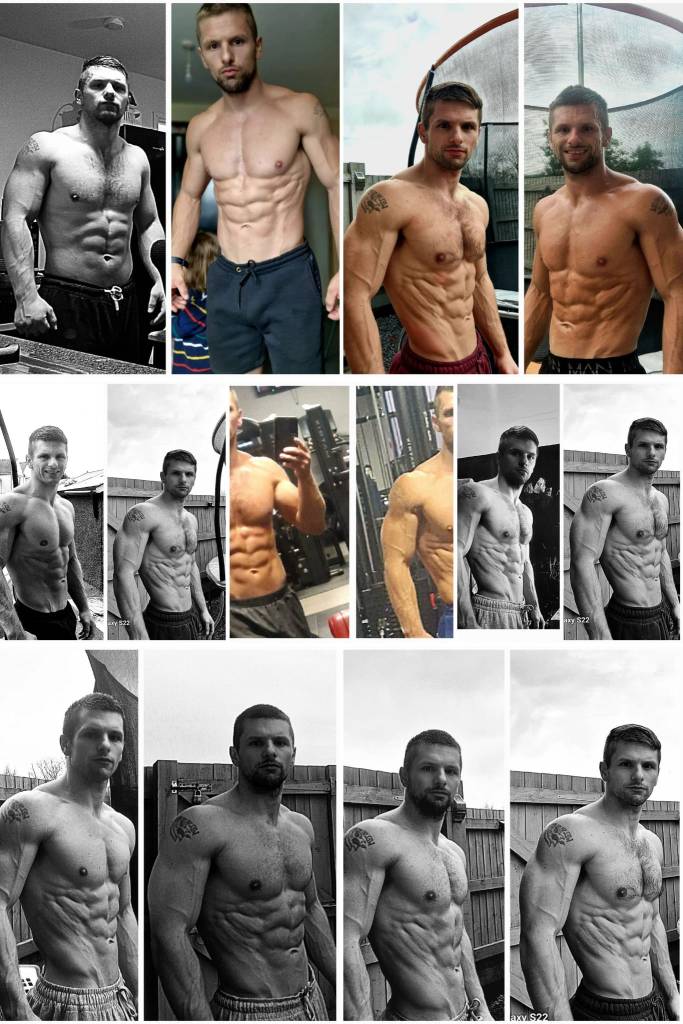

The Power of the Inverted Row: Strengthening Your Back and More
When it comes to building upper body strength, many people gravitate toward exercises like push-ups, bench presses, and pull-ups. While these movements are effective, there’s one exercise that often gets overlooked but packs a serious punch: the inverted row. This simple, yet highly effective bodyweight movement is a must for anyone looking to build a stronger, more balanced upper body. Whether you’re a beginner or advanced in your fitness journey, the inverted row can be a game-changer for you.
What is the Inverted Row?
The inverted row is a pulling exercise performed using a horizontal bar or suspension straps (like TRX). In the inverted row, you lie on your back underneath the bar, gripping it with your hands at shoulder width. Then, you pull your chest up toward the bar while keeping your body straight from head to heels, engaging your core throughout the movement. The goal is to lift your torso without using your legs for assistance.
Why Should You Include Inverted Rows in Your Routine?
1. Upper Body Strength The inverted row primarily targets the muscles of the upper back, including the latissimus dorsi (lats), rhomboids, and traps. It also works the biceps and forearms. If you’re looking to build strength in your back and arms, this exercise is perfect. It balances out pushing exercises like push-ups and bench presses, creating a more well-rounded strength profile.
2. Core Activation While the inverted row primarily focuses on the upper body, don’t forget about your core. As you pull your body up to the bar, you must engage your abdominals and lower back muscles to maintain a straight body position. This makes the inverted row an excellent way to strengthen your core while working your upper body. Plus, a strong core contributes to better posture and overall functional strength.
3. Scalability for All Fitness Levels One of the best things about the inverted row is how adaptable it is. For beginners, you can start with the bar set at a higher position, reducing the intensity of the movement. As you build strength, you can gradually lower the bar, making the exercise more challenging. Advanced practitioners can add weight by using a weighted vest or a dip belt for even greater intensity. This scalability ensures that inverted rows remain effective no matter where you are on your fitness journey.
4. Joint-Friendly Movement Unlike exercises like pull-ups, which can be hard on the shoulder joints, the inverted row is much gentler on the shoulders. Because you’re pulling from a horizontal angle, there is less strain on the rotator cuffs and shoulder joints, making the inverted row a safer option for those concerned about joint health or injury prevention. Additionally, if you have a history of shoulder discomfort, the inverted row is an excellent alternative for upper body pulling movements.
5. Improved Performance in Other Lifts The inverted row doesn’t just help you build back and arm muscles—it can also improve your performance in other exercises. Strengthening your back and arms enhances your ability to perform compound movements like deadlifts, overhead presses, and bench presses. A strong upper back is essential for maintaining proper posture and stability during these lifts, allowing you to lift more weight safely and effectively.
How to Perform the Inverted Row:
1. Set up a bar in a squat rack or use suspension straps (TRX). Position your body underneath the bar, with your feet flat on the floor and your body in a straight line from head to heels.
2. Grip the bar with your hands slightly wider than shoulder-width apart, palms facing away from you.
3. Keep your chest lifted and engage your core as you pull yourself up toward the bar.
4. Squeeze your shoulder blades together at the top of the movement, bringing your chest toward the bar.
5. Slowly lower yourself back to the starting position with control, maintaining a straight body throughout.
6. Repeat for the desired number of repetitions.
Tips for Success:
Keep your body straight throughout the movement. Avoid letting your hips sag or lifting them too high.
Focus on engaging your shoulder blades as you pull your body up—don’t rely solely on your arms.
Gradually increase the difficulty by lowering the bar or adding weight as you get stronger.
Conclusion:
Inverted rows are a fantastic addition to any workout routine, providing numerous benefits for overall strength, posture, and muscle development. Whether you’re working on building a stronger back, improving your posture, or enhancing performance in other lifts, the inverted row delivers. Its scalability, joint-friendliness, and ability to activate multiple muscle groups make it an exercise you should consider adding to your regimen, no matter your fitness level.
So, if you’re ready to build a more balanced and strong upper body, start incorporating inverted rows into your workouts. Your back—and your entire body—will thank you!
 Smartsfitness
Leave a comment