
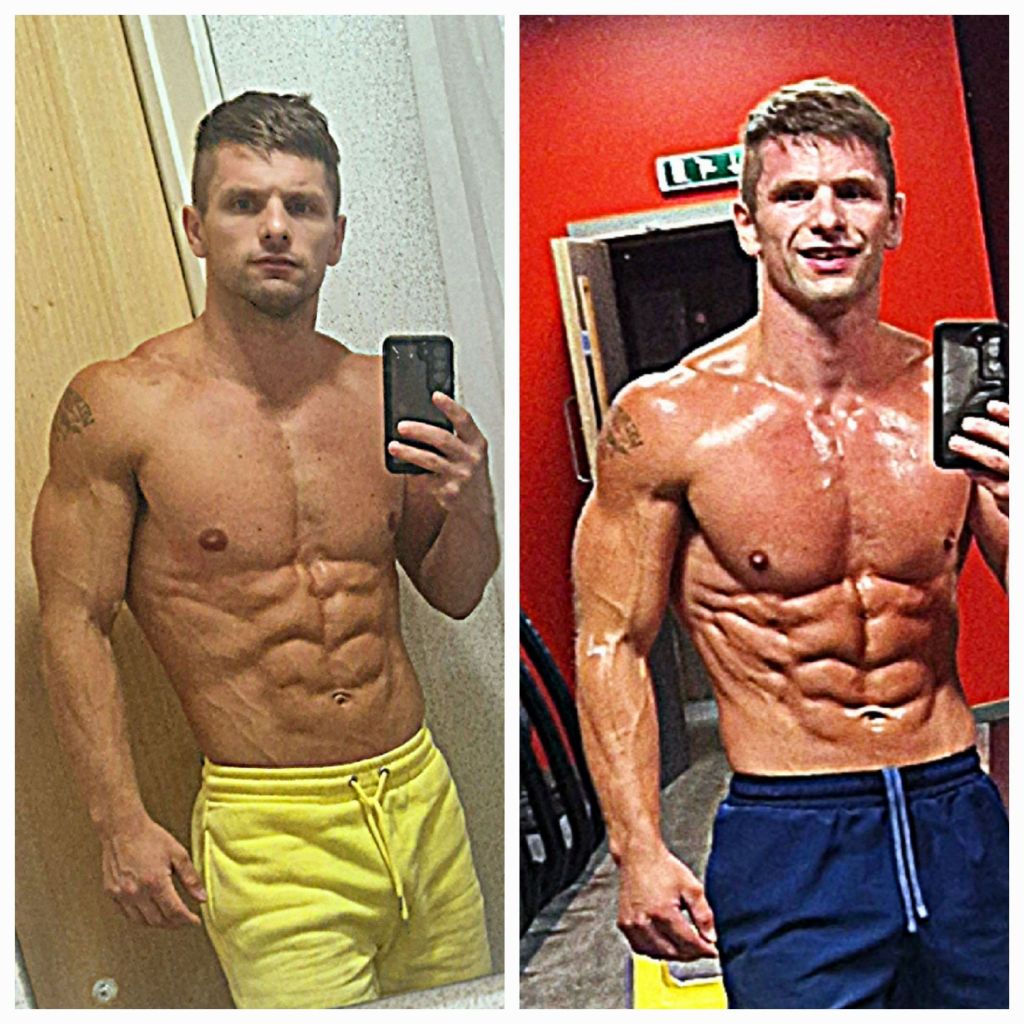
Course: Understanding High G-Flux vs Low G-Flux: How Movement and Higher Calorie Deficits Benefit Health and Performance
—
Introduction to G-Flux:
G-Flux (or “Growth Flux”) refers to the balance between energy intake (calories consumed) and energy expenditure (calories burned through physical activity and metabolism). The concept was introduced by Dr. Mark Hyman to explain the relationship between food intake, exercise, and overall health.
This course will explore how the G-Flux model works and the benefits of maintaining a high G-Flux lifestyle for improving health, increasing performance, and achieving fat loss. We will compare the effects of high and low G-Flux on health outcomes, physical performance, and body composition.
—
Module 1: What is G-Flux?
Definition and Overview:
G-Flux refers to the energy flow between calories consumed and calories expended.
A higher G-Flux means a greater balance between food intake and energy output.
Low G-Flux refers to consuming fewer calories while expending a minimal amount of energy through physical activity.
The Importance of G-Flux in Fat Loss:
G-Flux is important for achieving sustainable fat loss without sacrificing health or performance.
Higher G-Flux allows for greater calorie intake while still creating a calorie deficit.
A high G-Flux lifestyle promotes healthy metabolism, enhanced energy levels, and improved physical performance.
—
Module 2: High G-Flux vs Low G-Flux
High G-Flux:
Definition: A high G-Flux involves expending a large number of calories through physical activity while consuming adequate calories to support activity levels and maintain muscle mass.
Characteristics of High G-Flux:
Regular exercise (strength training, cardiovascular activities, etc.)
Higher calorie intake to fuel increased movement and recovery.
Positive impact on metabolic health, muscle mass, and overall well-being.
Health Benefits:
Higher energy expenditure supports fat loss while maintaining lean muscle.
Increases metabolic rate and improves heart health, insulin sensitivity, and overall longevity.
Boosts mood and cognitive function through consistent physical activity.
Low G-Flux:
Definition: Low G-Flux occurs when an individual expends fewer calories through physical activity and consumes fewer calories in total.
Characteristics of Low G-Flux:
Sedentary lifestyle or minimal physical activity.
Reduced calorie intake, often in an attempt to maintain or lose weight.
Health Risks:
Reduced muscle mass and metabolic rate.
Increased risk of chronic diseases like cardiovascular conditions and Type 2 diabetes.
Potential for nutrient deficiencies and poor mental health.
—
Module 3: Benefits of a High G-Flux Lifestyle for Fat Loss and Performance
Fat Loss and Muscle Retention:
When you combine a high G-Flux with a calorie deficit, you can achieve fat loss while maintaining or even building lean muscle mass.
Exercise helps preserve muscle tissue during fat loss, preventing the metabolic slowdown that often occurs with dieting alone.
Improved Performance:
Regular exercise increases strength, stamina, and endurance.
A high G-Flux supports physical performance in both daily activities and more intense athletic pursuits.
Increased caloric intake ensures adequate fueling for training, improving recovery and performance outcomes.
Better Health Outcomes:
High G-Flux has a positive effect on metabolic health, insulin sensitivity, and cardiovascular function.
It reduces the risk of obesity, Type 2 diabetes, and other lifestyle-related diseases.
Improves sleep quality, mental clarity, and overall energy levels.
—
Module 4: How to Increase Your G-Flux
Increase Physical Activity:
Aim for regular movement throughout the day, including walking, strength training, and cardio exercises.
Incorporate a mix of resistance training to build muscle and cardiovascular activity to improve endurance.
Consider non-exercise activity thermogenesis (NEAT), which includes movements like standing, walking, and fidgeting.
Fuel Your Body Appropriately:
Prioritize nutrient-dense, whole foods that support higher activity levels.
Ensure sufficient protein intake to preserve muscle mass while in a calorie deficit.
Include healthy fats and carbohydrates to fuel intense workouts and recover properly.
Active Recovery and Rest:
Balance high-intensity workouts with periods of recovery to allow muscles to repair and grow.
Sleep and stress management are also essential to support a high G-Flux lifestyle.
—
Module 5: How High G-Flux Improves Long-Term Health and Performance
Longevity and Quality of Life:
Research suggests that higher G-Flux can lead to improved longevity and a better quality of life as we age.
It reduces the risk of age-related muscle loss (sarcopenia) and helps maintain functional independence in later years.
Improved Hormonal Balance:
A high G-Flux lifestyle supports optimal hormone function, including those related to fat metabolism, muscle growth, and recovery.
Caloric restriction combined with exercise can improve hormone regulation and metabolic flexibility.
—
Module 6: Implementing High G-Flux into Your Routine
Daily Tips for Increasing G-Flux:
Take the stairs instead of the elevator.
Go for a walk after meals to increase energy expenditure.
Add short bursts of movement throughout the day (e.g., squats, lunges, jumping jacks).
Schedule regular workout sessions, focusing on both strength and cardio.
Meal Planning for High G-Flux:
Aim for balanced meals with protein, healthy fats, and complex carbohydrates.
Ensure adequate hydration to support physical performance and recovery.
Consider timing your meals around workouts to maximize energy during training.
—
Conclusion: Embracing High G-Flux for Optimal Health and Performance
By adopting a high G-Flux lifestyle, individuals can benefit from improved metabolic health, enhanced fat loss, better physical performance, and overall well-being. Combining regular movement with proper nutrition allows for greater energy expenditure without compromising muscle mass or performance.
Embrace a lifestyle that prioritizes movement, fuel, and recovery to maximize your G-Flux and achieve sustainable, long-term results.
—
Final Thoughts & Action Plan:
Action Step 1: Start by gradually increasing your daily movement—whether through more walking, standing, or adding workouts.
Action Step 2: Adjust your calorie intake to fuel your increased activity and support muscle growth.
Action Step 3: Monitor your progress and adjust your training intensity, rest periods, and nutrition based on performance and results.
—
Example 1: High G-Flux Day
Body Weight: 170 lbs (77 kg)
Exercise Routine:
Morning:
Strength Training (60-75 minutes): Full-body workout focusing on compound movements (squats, deadlifts, bench press, pull-ups, rows, etc.)
Calorie Burn (Estimate): 400-600 kcal
Afternoon:
Cardio Session (30 minutes): High-intensity interval training (HIIT) or moderate steady-state cardio (e.g., jogging or cycling).
Calorie Burn (Estimate): 300-400 kcal
Throughout the Day:
NEAT (Non-exercise Activity Thermogenesis): Walking to and from places, standing while working, general movement (estimated 8,000-15,000 steps per day).
Total Calorie Burn Estimate: 1,000-1,900 kcal from exercise and NEAT.
Eating Habits:
Breakfast (Post-Workout):
4 scrambled eggs with spinach and avocado
1 cup of oatmeal with berries and chia seeds
1 cup of black coffee
Calories: ~600 kcal (Protein: 30g, Carbs: 60g, Fats: 30g)
Lunch:
Grilled chicken breast (6 oz) with quinoa (1 cup), mixed greens salad with olive oil, and balsamic vinegar
1 apple
Calories: ~700 kcal (Protein: 40g, Carbs: 60g, Fats: 30g)
Afternoon Snack (Post-Cardio):
Greek yogurt (1 cup) with honey and almonds (1 oz)
Calories: ~300 kcal (Protein: 20g, Carbs: 25g, Fats: 15g)
Dinner:
Salmon (6 oz) with roasted sweet potatoes (1 medium) and steamed broccoli
1 cup of brown rice
Calories: ~700 kcal (Protein: 45g, Carbs: 60g, Fats: 30g)
Evening Snack:
Protein shake with 1 scoop whey protein, almond milk, and 1 tbsp of peanut butter
Calories: ~350 kcal (Protein: 30g, Carbs: 10g, Fats: 20g)
Total Calories: ~2,650 kcal (Protein: 165g, Carbs: 215g, Fats: 125g)
Total Caloric Expenditure:
Estimated calories burned (exercise + NEAT): 1,200-1,500 kcal
Caloric Surplus/Deficit: In this scenario, the individual is eating slightly above their maintenance level to support muscle growth and recovery, which is crucial for high G-Flux.
Key Notes for High G-Flux:
Training: Intense daily movement including strength training and cardio.
Food: Adequate calorie intake to support high energy expenditure, emphasizing whole foods, protein for muscle retention, and carbs to fuel workouts.
—
Example 2: Low G-Flux Day
Body Weight: 170 lbs (77 kg)
Exercise Routine:
Minimal Activity:
Morning: Light stretching or yoga for 15 minutes.
Calorie Burn (Estimate): 50-100 kcal
Throughout the Day: Mostly sedentary (e.g., sitting at a desk, minimal walking).
Total Calorie Burn Estimate: 200-300 kcal from minimal activity.
Eating Habits:
Breakfast:
1 hard-boiled egg, 1 slice whole-grain toast with 1 tsp of butter
Calories: ~250 kcal (Protein: 10g, Carbs: 25g, Fats: 12g)
Lunch:
Tuna salad (4 oz tuna) with 1 tbsp mayo, leafy greens, and 1/2 avocado
Calories: ~400 kcal (Protein: 30g, Carbs: 15g, Fats: 25g)
Afternoon Snack:
Handful of mixed nuts (1 oz)
Calories: ~200 kcal (Protein: 7g, Carbs: 6g, Fats: 18g)
Dinner:
Grilled chicken breast (4 oz) with a side of steamed green beans
Small portion of mashed potatoes (1/2 cup)
Calories: ~400 kcal (Protein: 35g, Carbs: 30g, Fats: 10g)
Evening Snack:
1 small serving of dark chocolate (1 oz)
Calories: ~150 kcal (Protein: 2g, Carbs: 15g, Fats: 10g)
Total Calories: ~1,400 kcal (Protein: 84g, Carbs: 91g, Fats: 75g)
Total Caloric Expenditure:
Estimated calories burned (minimal activity): 200-300 kcal
Caloric Surplus/Deficit: This individual is eating at a calorie deficit, which is typical for fat loss, but with minimal exercise, there’s a risk of losing muscle mass and slowing metabolism over time.
Key Notes for Low G-Flux:
Training: Minimal to no physical activity.
Food: Reduced calorie intake, potentially leading to a slower metabolism and muscle loss if continued over time.
—
Comparison: High G-Flux vs Low G-Flux
—
Conclusion:
High G-Flux involves a balance of increased physical activity and adequate calorie intake, allowing for muscle preservation, fat loss, and improved overall performance.
Low G-Flux, on the other hand, can result in low activity levels, which might hinder fat loss in the long term and negatively impact muscle mass and metabolism.
Incorporating more movement, such as strength training, cardio, and daily physical activity, alongside a healthy calorie intake, is key to achieving a high G-Flux lifestyle that benefits both health and performance.
Comment below, how do you normally diet? ⏬
 Smartsfitness
Leave a comment