
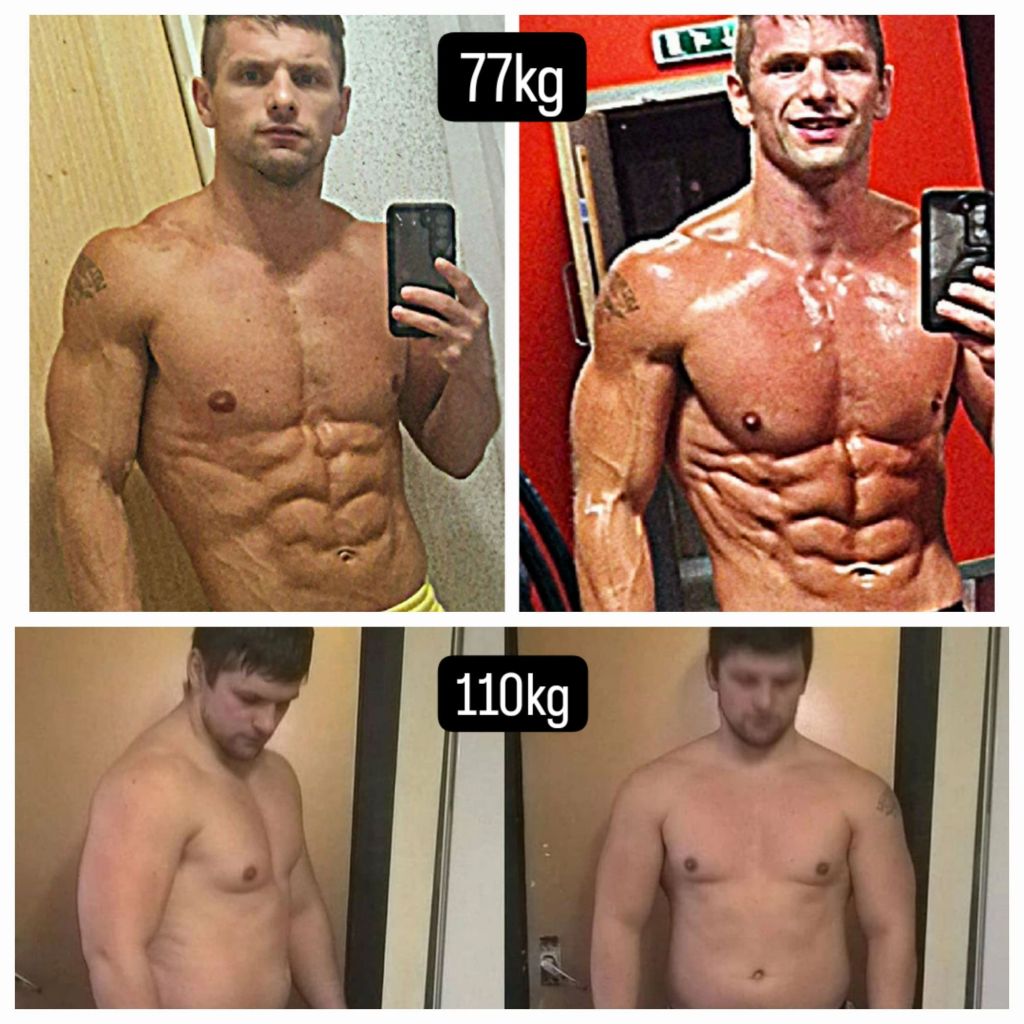
Body Fat and Health: Finding the Balance
Body fat plays a crucial role in our overall health, serving as both a necessary component for bodily functions and a marker for fitness and wellness. Understanding the relationship between body fat and health, along with knowing what a healthy body fat percentage is, can help guide us towards better health outcomes.
What is Body Fat?
Body fat is a form of energy storage in the body, essential for protecting organs, insulating the body, and serving as a reserve energy source. However, too much or too little body fat can lead to health complications.
Healthy Body Fat Percentages
The ideal body fat percentage varies based on factors such as age, gender, and fitness level. Here are general guidelines:
- Men:
- Essential Fat: 2-5%
- Athletes: 6-13%
- Fitness: 14-17%
- Average: 18-24%
- Obese: 25% and above
- Women:
- Essential Fat: 10-13%
- Athletes: 14-20%
- Fitness: 21-24%
- Average: 25-31%
- Obese: 32% and above
Maintaining a healthy body fat percentage is associated with lower risks of chronic diseases, better metabolic health, and improved physical performance.
Why Body Fat Matters for Health
- Heart Health: Excess body fat, especially visceral fat around the abdomen, is linked to a higher risk of heart disease and diabetes.
- Hormonal Balance: Adequate body fat is crucial for hormone production and regulation, particularly in women.
- Physical Function: Maintaining a healthy body fat percentage can enhance mobility, reduce joint strain, and improve overall physical performance.
- Mental Health: Balanced body fat levels can also influence mental health, reducing the risk of depression and anxiety associated with obesity or excessive leanness.
Small Habits to Achieve a Healthy Body Fat Percentage
- Prioritize Whole Foods
- Focus on a diet rich in vegetables, fruits, lean proteins, whole grains, and healthy fats.
- Minimize processed foods, sugary snacks, and high-calorie, low-nutrient items.
- Regular Physical Activity
- Incorporate a mix of cardio and strength training exercises to burn fat and build muscle.
- Aim for at least 150 minutes of moderate-intensity exercise or 75 minutes of vigorous activity weekly.
- Stay Hydrated
- Drinking enough water can help regulate appetite, improve metabolism, and support overall health.
- Mindful Eating
- Practice mindful eating by paying attention to hunger and fullness cues, reducing overeating.
- Slow down during meals and savor each bite.
- Consistent Sleep Schedule
- Aim for 7-9 hours of quality sleep per night to support metabolism and hormonal balance.
- Poor sleep is linked to weight gain and increased body fat.
- Stress Management
- Chronic stress can lead to hormonal imbalances and fat accumulation, particularly around the abdomen.
- Incorporate stress-reducing activities like meditation, yoga, or hobbies.
- Track Progress
- Use tools like body composition scales or tape measurements to track changes, rather than relying solely on weight.
- Set realistic, achievable goals and celebrate small victories along the way.
- Seek Professional Guidance
- Consider working with a fitness coach, nutritionist, or health professional to create a personalized plan.
- They can help tailor strategies to your individual needs and provide accountability.
Conclusion
Achieving and maintaining a healthy body fat percentage is a cornerstone of overall health and well-being. By adopting small, sustainable habits and staying consistent, you can improve your body composition, enhance your health, and feel your best. Remember, it’s about finding balance and making gradual, lasting changes that fit your lifestyle.
 Smartsfitness
Leave a comment