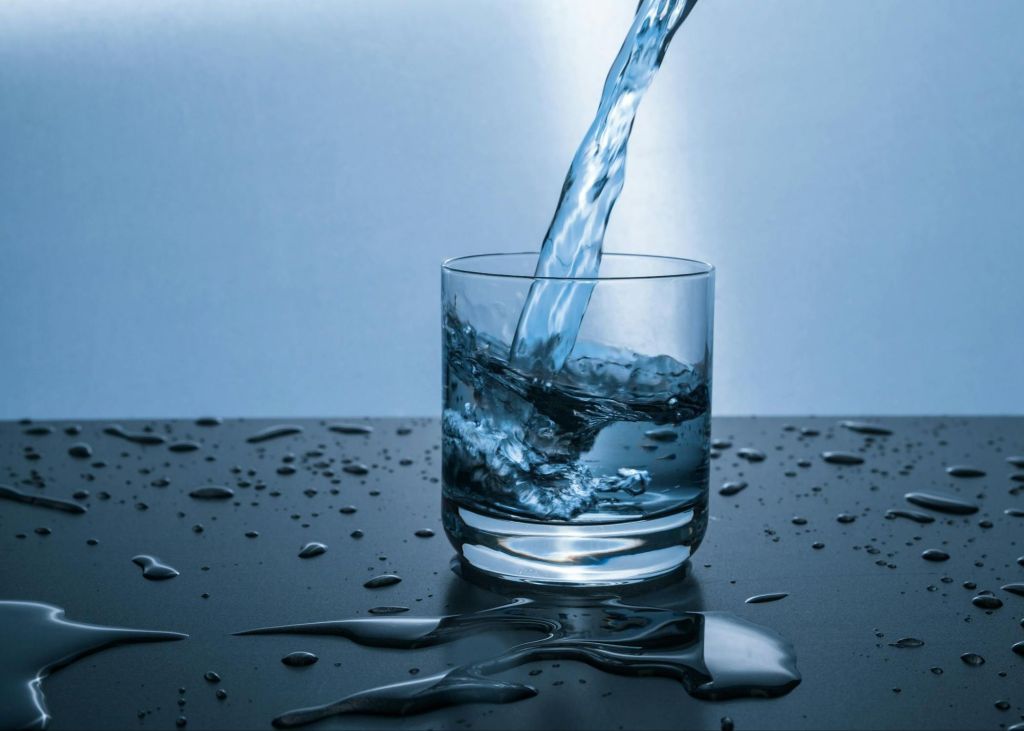
Hydration Basics: Hydration is essential for overall health and fitness, as water plays a crucial role in maintaining various bodily functions. Staying hydrated helps regulate body temperature, transports nutrients, removes waste products, and supports joint health and muscle function. Proper hydration also aids in recovery and performance during exercise, making it a key factor in achieving strength and muscle gains.
Benefits of Hydration for Strength, Muscle, and Health:
1. Muscle Function and Strength
- Optimal Muscle Contraction: Muscles rely on water to maintain fluid balance and conduct electrical signals. Dehydration can lead to muscle cramps, weakness, and fatigue, hindering performance during strength training or other activities.
- Protein Synthesis: Proper hydration supports efficient protein synthesis, a process essential for muscle growth and recovery after strength training.
- Nutrient Transport: Water is involved in transporting nutrients, including amino acids, to muscles. Being well-hydrated ensures that muscles receive the necessary nutrients to repair and grow after a workout.
2. Exercise Performance
- Endurance and Energy: Staying hydrated helps maintain energy levels and endurance, enabling you to train harder and longer. Dehydration can lead to early fatigue, reducing exercise intensity and performance.
- Temperature Regulation: Hydration helps regulate body temperature during exercise, preventing overheating and excessive strain on the cardiovascular system. This is especially important during intense strength workouts or when exercising in hot climates.
3. Health Benefits
- Detoxification: Proper hydration supports kidney function and helps flush out toxins and waste products from the body, which is vital for overall health.
- Joint Health: Water helps lubricate the joints, reducing friction and preventing discomfort or injury during workouts, particularly strength training exercises that involve heavy lifting.
- Digestive Health: Staying hydrated aids in digestion and helps prevent issues like constipation, which can affect overall comfort and well-being.
Hydration Strategies:
1. Pre-Exercise Hydration (Before a Workout)
- Start Hydrating Early: Begin hydrating throughout the day, not just before exercise, to maintain consistent fluid balance.
- Drink 16-20 Ounces (500-600 ml) 2-3 Hours Before: This ensures your body is well-hydrated and can absorb the water before starting the workout.
- Drink 10-20 Ounces (300-600 ml) 20-30 Minutes Before: This will top off hydration levels without causing bloating during exercise.
- Electrolytes for Intense or Long Workouts: If your workout lasts longer than an hour or involves intense sweating (e.g., HIIT, strength training in hot conditions), consider adding an electrolyte drink to help maintain the balance of sodium, potassium, and other essential minerals that support muscle function.
2. Hydration During Exercise
- Hydrate Regularly During the Workout: For workouts lasting longer than 30 minutes, sip water throughout to maintain hydration and prevent a performance drop.
- Electrolyte Drinks for Intense Activity: For workouts lasting over an hour, or in hot conditions, opt for a sports drink with electrolytes to prevent dehydration and muscle cramps.
3. Post-Exercise Hydration (After a Workout)
- Rehydrate with Water: After your workout, drink water to replenish fluids lost through sweat. Aim for 16-24 ounces (500-700 ml) within 30 minutes of finishing.
- Restore Electrolytes: If your workout was intense and caused heavy sweating, consume an electrolyte drink to help restore sodium, potassium, and other minerals.
- Recovery Hydration: For optimal recovery, hydrate throughout the day, continuing to replenish lost fluids. If you performed a long workout, consider consuming coconut water or a recovery drink with added electrolytes.
Hydration Tips:
- Monitor Urine Color: A simple way to assess hydration is by checking the color of your urine. It should be light yellow. Dark yellow or amber suggests dehydration.
- Avoid Caffeine and Alcohol: Caffeine and alcohol are diuretics and can increase fluid loss. While moderate caffeine intake can be fine for some individuals, it’s best to avoid alcohol and excessive caffeine, especially before or during workouts.
- Use a Water Bottle: Keep a water bottle handy throughout the day to remind yourself to drink and to ensure you’re staying hydrated consistently.
Summary:
- Hydration supports muscle function, strength, and overall health by optimizing nutrient transport, muscle repair, and performance.
- Pre-workout hydration (16-20 oz 2-3 hours before and 10-20 oz 20-30 minutes before) helps optimize strength and endurance.
- During exercise, sip water regularly, and consider electrolyte drinks for long or intense workouts.
- Post-workout hydration restores lost fluids, with a focus on water and electrolytes to aid in recovery. By following proper hydration strategies, you can maximize your workout performance, reduce the risk of injury, and support muscle growth and recovery effectively.
 Smartsfitness
Leave a comment