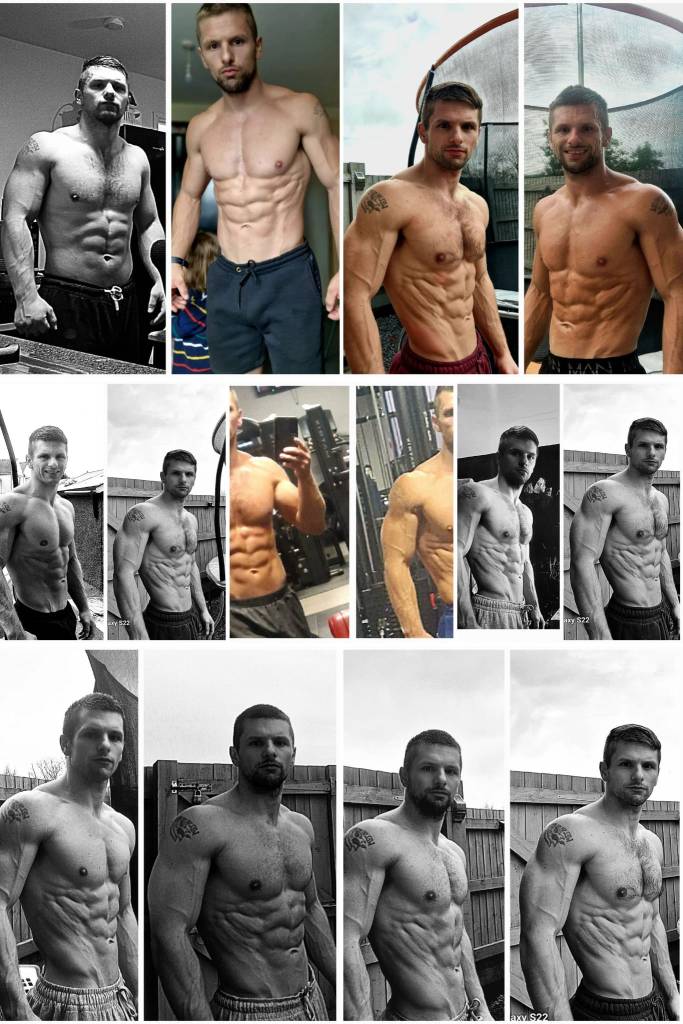
Training in Your 40s: How to Build a Sustainable and Effective Fitness Routine
As you enter your 40s, staying fit and healthy becomes even more important—but it also requires a different approach than when you were younger. Your body may not recover as quickly, and your priorities shift from just building muscle or losing fat to long-term health and sustainability. To help you maintain a fitness routine that works for your body and your lifestyle, here’s an in-depth, easy-to-follow guide on training in your 40s, with key tips for maximizing results, improving mental health, and ensuring long-term success.
1. Training Frequency: 3-5 Days a Week
In your 40s, it’s crucial to strike the right balance between training hard and allowing for recovery. Training 3-5 days a week is an ideal frequency for most people, depending on their fitness level and goals. It’s better to focus on consistent effort rather than trying to train every day.
Why?
Your body needs time to repair itself between workouts. This becomes even more critical as we age, as recovery time tends to increase. Overtraining can lead to burnout or injury, so giving yourself proper rest is vital.
Tip:
Focus on a mix of strength training, cardio, and mobility work throughout the week. For example:
- 2-3 days of strength training (targeting different muscle groups)
- 1-2 days of cardio (whether it’s cycling, running, or swimming)
- 1-2 days of mobility exercises (yoga, stretching, or foam rolling)
2. Prioritize Recovery and Recovery Methods
Recovery is as important—if not more important—than the workout itself. After each session, your muscles and joints need time to repair and rebuild. You can accelerate this process by incorporating recovery strategies.
Key recovery methods include:
- Sleep: Aim for 7-9 hours of quality sleep each night. Sleep is when your body heals and regenerates.
- Nutrition: Proper post-workout nutrition, including a balance of protein and carbs, can help replenish glycogen stores and support muscle recovery.
- Active recovery: Low-impact activities like walking, swimming, or cycling help maintain blood flow and reduce muscle stiffness without straining your body.
Tip:
Consider using techniques like foam rolling, massage, or even ice baths to support your recovery routine. These practices can reduce muscle soreness and improve circulation, making it easier to stay consistent with your workouts.
3. Fuel Your Workouts
As you age, your metabolism slows down, so it’s important to fuel your workouts adequately to maintain energy levels. Avoid the trap of eating too little, as under-fueling can lead to fatigue, muscle loss, and slower recovery times.
Tip:
Make sure you’re getting enough calories to support your activity level and maintain muscle mass. Protein intake is particularly important—aim for at least 1.6g-2.2g of protein per kilogram of body weight, depending on your goals. Carbs are also essential, especially around workout times, to ensure you have the energy to perform at your best.
4. Mental Health Matters: Incorporate Meditation and Mindfulness
The benefits of fitness aren’t just physical—they’re mental too. As you get older, building your mental health becomes just as important as your physical health. Meditation is an excellent tool for improving focus, reducing stress, and enhancing overall well-being. You don’t have to sit for long hours to meditate; short sessions or mindful practices throughout the day can be extremely effective.
Tip:
Outdoor walks can serve as a form of moving meditation. By focusing on your surroundings and staying present, you can calm your mind and improve your mental clarity, all while getting some light exercise.
5. Do What You Enjoy
Training shouldn’t feel like a chore. If you’re doing exercises or routines you dislike, it’s easy to lose motivation. Instead, focus on finding activities you truly enjoy. It could be anything from strength training, cycling, dancing, swimming, or playing recreational sports.
Why?
The more fun and engaging your workouts are, the more likely you are to stick with them in the long term. And consistency is key—by focusing on activities you enjoy, you’ll be able to sustain your fitness routine for decades to come.
Tip:
Make variety a part of your routine. Try new workouts or activities every few weeks to keep things exciting and to challenge your body in different ways.
6. Be Consistent, Not Perfect: The 80/20 Rule
One of the biggest mistakes many people make is trying to be perfect with their training and nutrition. In reality, it’s consistency over time that yields results, not perfection.
The 80/20 rule applies well to fitness: 80% of your results will come from consistent, smart choices—while 20% comes from the occasional indulgence or imperfect day. Don’t stress over every meal or workout. Life happens, and flexibility is important for maintaining balance.
Tip:
Stay on track with your fitness and nutrition goals most of the time (80%), but allow yourself the freedom to enjoy life’s indulgences without guilt (20%).
7. Micronutrients Matter More as You Age
As you get older, your body may need more micronutrients (vitamins and minerals) to function optimally. These nutrients help maintain energy levels, bone health, immune function, and mental clarity.
Essential micronutrients for people over 40 include:
- Vitamin D3: Helps maintain bone density and supports your immune system.
- Omega-3 Fatty Acids: Vital for brain health and reducing inflammation.
- B Vitamins: Essential for energy production and managing stress.
- Magnesium: Important for muscle function, relaxation, and better sleep.
Tip:
Aim to increase your intake of fruits, vegetables, and whole foods rich in these essential vitamins and minerals. Consider a quality multivitamin or individual supplements if you’re not getting enough from food alone.
Conclusion
Training in your 40s doesn’t mean you have to give up your fitness goals—it just means you need to be smarter about how you approach your workouts and recovery. Focus on consistency, recovery, fueling your body properly, and prioritizing mental well-being. Enjoying the process and doing what works best for your body will ensure that you stay fit and healthy for years to come.
Remember, it’s not about perfection. It’s about making sustainable, positive changes that will benefit your body and mind in the long run. Keep it consistent, and enjoy the journey!
 Smartsfitness
Leave a comment