-
“Supercharged with Vitamin C: The Secret to Glowing Skin and Vitality
The Power of Vitamin C During High Stress, Intense Training, and Health Challenges In today’s fast-paced world, managing stress, maintaining mental well-being, and sustaining physical health can be challenging. Whether you’re facing high-stress levels, pushing through intense training sessions, or dealing with health issues, one essential nutrient that can support you through these tough times…
-
“Effective Strategies to Combat Arthritis: Manage Pain and Improve Mobility”
How to Combat Arthritis: Tips for Managing Pain and Improving Mobility Arthritis is a common condition that affects millions of people worldwide, causing pain, stiffness, and inflammation in the joints. While there is no cure for arthritis, there are various ways to manage the symptoms and improve the quality of life. Whether you’re living with…
-
“Balanced Diet vs. Unbalanced Diet: Key Benefits and Consequences”
A balanced diet provides your body with all the nutrients it needs to function optimally, while an unbalanced diet can lead to deficiencies, health issues, and impaired performance. Here’s a comparison of the benefits: — Benefits of a Balanced Diet 1. Adequate Nutrient Intake Supplies essential nutrients like vitamins, minerals, proteins, carbs, and fats in…
-
“Why Strength Training Outshines Medication for Mental Health”
Strength training offers unique and profound benefits for mental health that often surpass medication in specific contexts. Here’s why: 1. Addresses the Root Cause Strength training helps regulate stress hormones like cortisol and boosts the production of endorphins, dopamine, and serotonin—natural chemicals that improve mood and reduce anxiety. Medication often treats symptoms rather than addressing…
-
“High Gflux vs. Low Gflux: Which Training Method Burns Fat Faster?”
High vs. Low Gflux Training for Fat Loss: Gflux (Gross Flux) refers to the balance between the calories burned through physical activity (exercise) and the calories consumed through food. The concept of high vs. low Gflux training refers to how much total energy you expend through activity compared to how much you eat, and it…
-
“Preacher Curls vs. Incline Curls: Which Is More Effective for Muscle Growth?”
Both preacher curls and incline curls are excellent exercises for bicep development, but they target the muscles in slightly different ways, and each has unique benefits. The effectiveness of each exercise depends on the specific goals you are trying to achieve in terms of muscle growth. Here’s a comparison of both to help determine which…
-
“7 Best Teas to Support Muscle Growth and Recovery”
While tea isn’t a direct source of protein or calories essential for muscle growth, certain teas can support muscle recovery, reduce inflammation, and improve overall health—important factors for building muscle. Here are some great options: 1. Green Tea Benefits: Contains catechins, which have antioxidant properties, and may improve fat metabolism and reduce oxidative stress from…
-
“Boost Endurance and Burn Fat with Short Sub-Maximal Intervals”
15–30 Second Sub-Maximal Intervals: Faster, More Sustainable Results Short sub-maximal intervals (15–30 seconds) paired with 50 seconds to 1-minute active recovery are excellent for building power, speed, and endurance while minimizing burnout and maximizing recovery. Why This Approach Works Efficient Energy Use: Short bursts at 70–85% effort engage both aerobic and anaerobic systems. Recovery-Friendly: Longer…
-
“The Dark Side of Ozempic: Risks You Can’t Ignore”
Using drugs like Ozempic (semaglutide) for fat loss may seem appealing due to its effectiveness in aiding weight loss. However, it comes with potential downsides and long-term health risks, especially for individuals using it without a medical need. Here’s why relying on Ozempic for fat loss can be problematic: — 1. It Addresses Symptoms, Not…
-
“Fat Loss Myth Busters: Top 20 Misconceptions Debunked”
Here’s a list of 20 common fat loss myths debunked to help clarify misconceptions: 1. You must eat less to lose fat. Truth: You need a calorie deficit, but eating too little can slow metabolism and harm health. 2. Carbs make you fat. Truth: Overeating any macronutrient (carbs, fats, or protein) causes fat gain, not…
SMARTSFITNESS
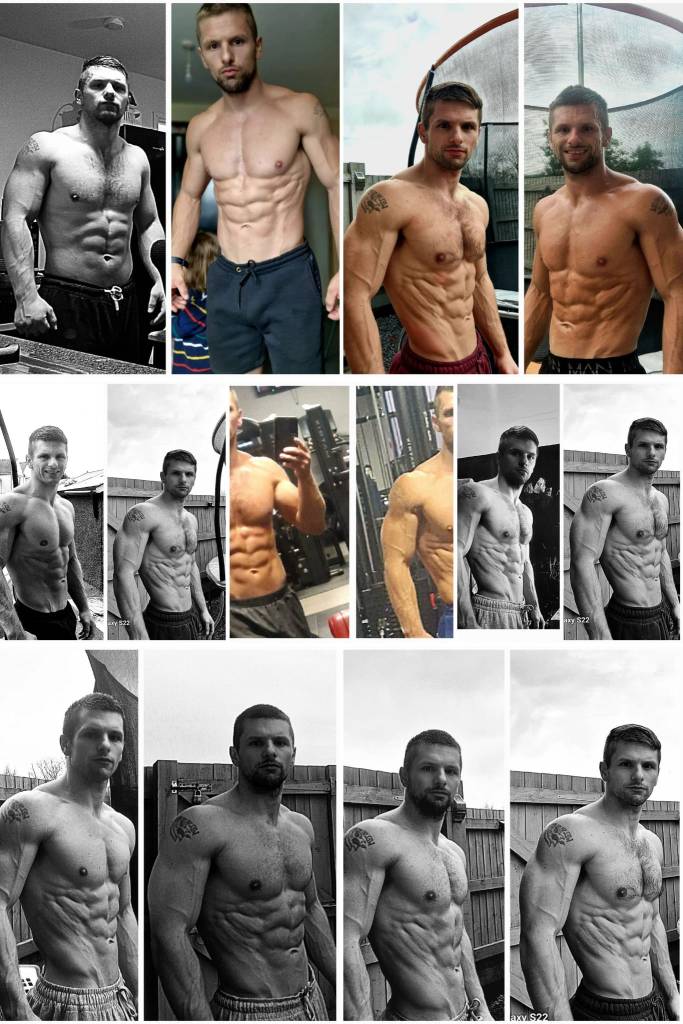
Transformation Specialist
 Smartsfitness